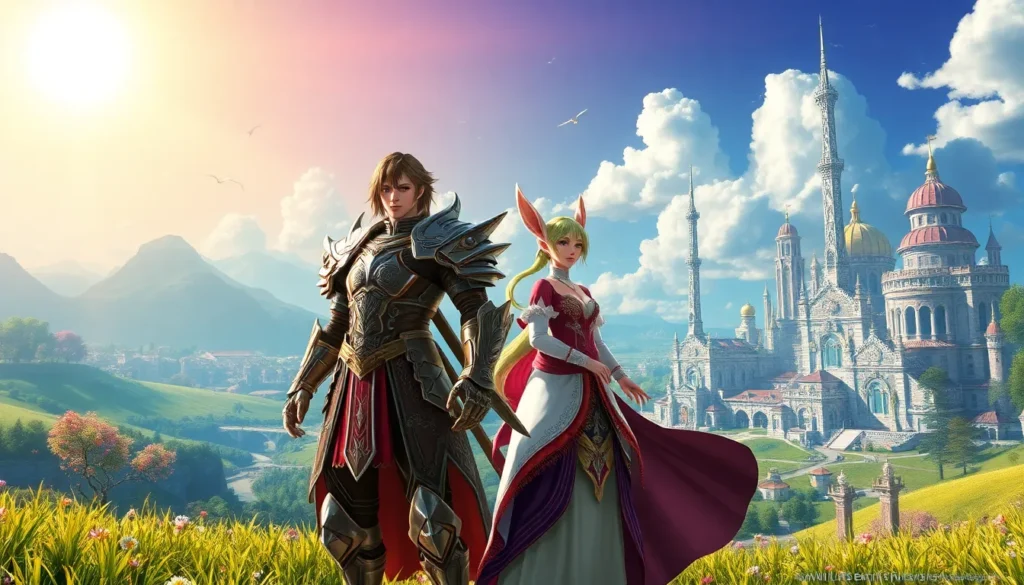
If you’ve ever set foot in the breathtaking realms of Eorzea, you know that the visual experience of Final Fantasy XIV is nothing short of stunning. From the lush landscapes to the intricate character designs, the art in this MMORPG pulls players into a vivid narrative. But this isn’t mere eye candy: it serves as a dynamic storytelling device that evolves with each expansion. In fact, it’s as if the artists decided to have a bit of fun with us, changing not just landscapes but entire aesthetics. So, buckle up as we explore the incredible art evolution in FFXIV, showcasing why it has rightly earned a place in gaming culture.
The Evolution of Art in Final Fantasy XIV
Early Concepts and Character Designs
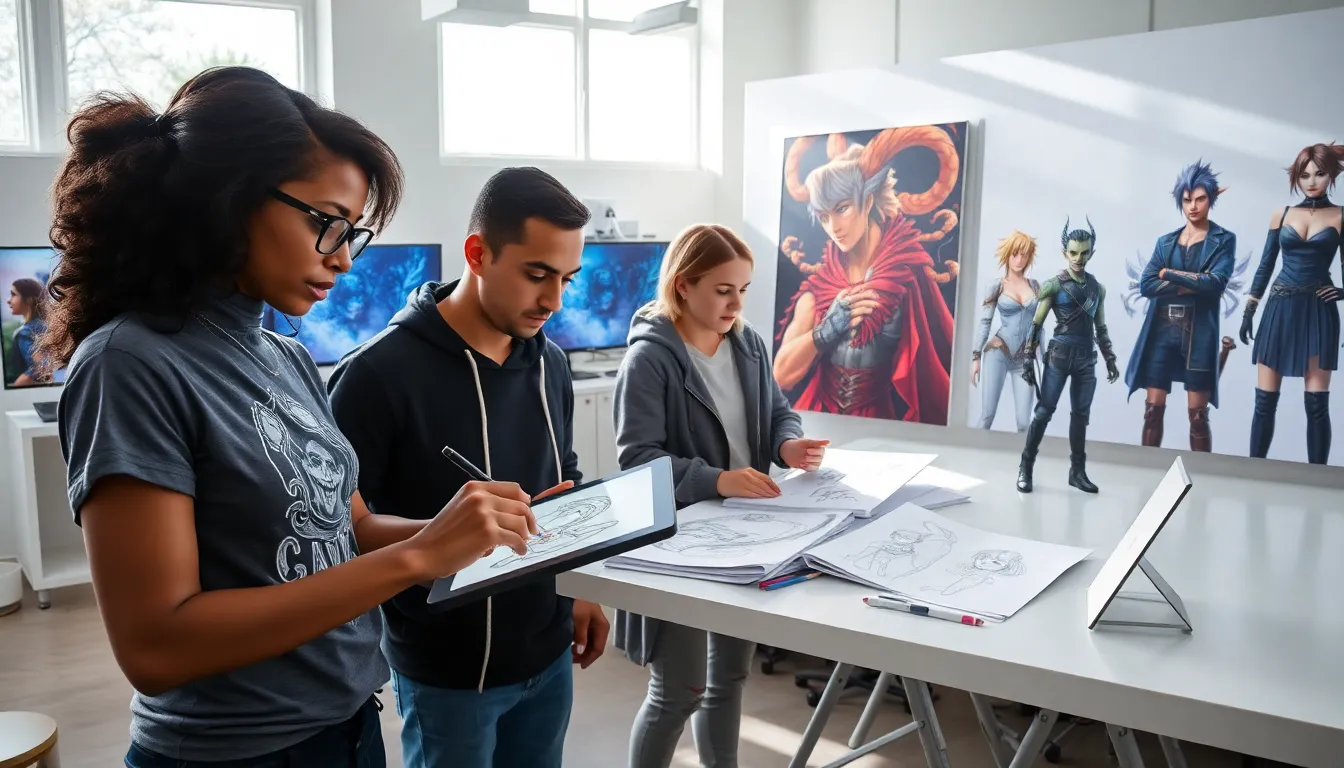
Final Fantasy XIV began its life with a rocky start, encountering a myriad of issues during its initial development. Nevertheless, early concepts showcased a wide array of character designs that would lay the foundation for future iterations. The initial art was more whimsical than practical, think bold colors and exaggerated features that might fit into a cartoonish world. Though it started as a rough sketch of ideas, these early explorations bubbled with creativity, establishing a unique identity for the game.
The Shift with A Realm Reborn
When A Realm Reborn launched in 2013, it marked an artistic renaissance: the visuals were not just refined, they were reborn. Characters became more relatable, designers focused on realism while still preserving fantasy elements. New zones like Gridania and Ul’dah displayed meticulous detail, showcasing stunning architecture and lush greenery. This shift wasn’t just about technological improvements: it was as if the artists collectively decided to raise the bar, refining the art style to better mirror the narratives unfolding within the game.
Artistic Innovations in Expansions
Heavensward: A Darker Palette
Enter Heavensward, where the visuals took a distinctly darker turn. Artists embraced shadows and moody tones, effectively creating an atmosphere ripe for the dramatic conflict in the expansion. The aesthetic reflected the themes of war and struggle, and dark color palettes breathed new life into the character designs. Who could forget the elegance of the Dragoon armor or the haunting beauty of the nighttime sky over Ishgard?
Stormblood: Cultural Influences
Stormblood offered a feast for the eyes with its rich cultural influences. Artists drew inspiration from diverse aesthetics, merging Eastern and Western themes beautifully. Zones like Kugane immersed players in vibrant markets and lush landscapes reminiscent of Japanese settings. This was a bold move, as it not only expanded the visual palette but also enriched the storylines through cultural storytelling.
Shadowbringers: Breaking Boundaries
With Shadowbringers, the art team truly broke new ground. Characters not only looked stunning but often defied traditional roles and boundaries. The introduction of new races, like the Hrothgar and Viera, showcased artistic innovation, offering players an entirely fresh experience. A brighter, more imaginative color palette created a sense of wonder that resonated throughout the game.
Endwalker: A Celebration of Aesthetics
As the most recent expansion, Endwalker solidified the visuals that players had come to adore. Uplifting aesthetics combined with stunning landscapes, like the futuristic city of Radz-at-han, offered players a sense of closure and possibility. The art transformed not just individual characters but the entire narrative landscape, echoing the themes of hope and renewal as players made their final journeys.
Notable Artists Behind the Visuals
Yoshitaka Amano’s Legacy
A pivotal figure in the visual narrative of Final Fantasy, Yoshitaka Amano’s unique work permeates the series. Though his role in FFXIV was mainly through iconic promotional art, his designs have significantly influenced the overall aesthetic. Amano’s ethereal style captivates fans, creating visuals that blend fantasy and grace, resonating deeply with the game’s lore.
Masayoshi Soken: The Sound and the Visuals
Masayoshi Soken is often celebrated for his masterful compositions that accompany the visuals in FFXIV. But, his influence also extends to the emotional weight of the gameplay experience. The synergy between his music and the lush visuals creates an immersive atmosphere. When a fight begins, and the score swells, it is the art that sets the stage.
The Role of Freelance Artists
Both in-house and freelance artists contribute creatively to the beautiful expanses of Eorzea. Freelancers often bring fresh perspectives, infusing every corner with unique styles that traditional teams might overlook. This blend not only enriches the visuals, but it creates a mosaic of artistic flair that appeals to diverse player tastes. Through promotional art and community collaborations, these artists showcase the vibrancy of player creativity, reminding everyone that art truly is a collaborative journey.
Fan Art and Community Contributions
The FFXIV community thrives on creativity, with fan art pouring in from skilled artists around the world. These contributions often explore character design, lore, and even imaginary scenarios that developers might not have envisioned. The passion behind fan art can immortalize characters in ways official artwork might not capture. A blend of admiration and creativity comes together here, creating a supportive environment where players and artists inspire each other.
The Impact of Final Fantasy XIV Art on Gaming Culture
The art of Final Fantasy XIV extends far beyond the game itself. It has spearheaded a renaissance in the MMORPG genre by demonstrating how visuals can elevate storytelling. Its influence can be seen in various games that have since adopted similar aesthetics or thematic visuals, proving that good art knows no boundaries. Also, it has created a community that appreciates artistic contributions, whether from studios or fellow players. Eorzea is not just a world but a canvas upon which stories unfold in vibrant brushstrokes.