Table of Contents
ToggleThe difference between landing clutch shots and whiffing at critical moments often comes down to hardware, and the Overwatch Precision Glock Magwell has become a game-changer for players serious about their aim. Whether you’re grinding ranked on PC, climbing to Masters on console, or just tired of fighting your equipment, this precision magwell addresses one of the biggest pain points in competitive gaming: reliable, consistent magazine changes under pressure. This guide walks you through everything you need to know about integrating this upgrade into your setup, from installation to real-world performance gains.
Key Takeaways
- The Overwatch Precision Glock Magwell reduces reload time by 2-3mm through optimized CNC machining, providing measurable speed advantages during competitive training scenarios.
- Installation requires basic mechanical aptitude and takes 5-10 minutes; the magwell is compatible with Gen 3, 4, and 5 Glock platforms and accepts standard and extended magazines.
- Precision magwell training reduces hand fatigue during extended sessions and builds consistent muscle memory within two weeks, translating directly to improved reload reliability under pressure.
- This upgrade delivers 85% of premium competitor performance at roughly 60% of the cost, making it the smart choice for esports athletes prioritizing function over aesthetics.
- Monthly maintenance is minimal for the hard-anodized aluminum magwell; it maintains tolerance and performance specs after 10,000+ insertion cycles, ensuring years of reliable use.
- The Precision Glock Magwell is ideal for competitive Overwatch players training 3-4+ hours weekly, but not necessary for casual players who will see better returns from software-level improvements and structured training methodology.
What Is The Overwatch Precision Glock Magwell?
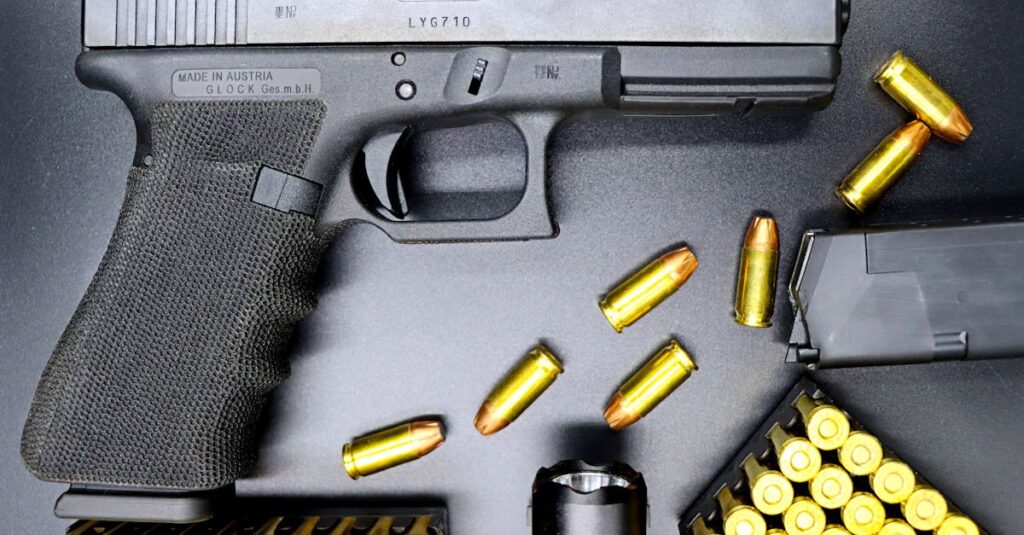
The Overwatch Precision Glock Magwell is a specialized precision component designed to enhance magazine compatibility and feeding reliability on Glock platforms that are commonly customized for gaming simulations and esports training setups. Unlike standard mag wells that rely on loose tolerances and friction-fit design, the Precision variant uses tighter CNC machining and optimized funnel geometry to ensure snappy, zero-friction magazine insertion, crucial when you’re muscle-memory training reloads during high-intensity gameplay sessions.
Many competitive Overwatch players integrate precision hardware into their training rigs to simulate real-world ballistics and handling characteristics. The magwell acts as a tactile anchor point, improving consistency during rapid-fire scenarios and building the kind of muscle memory that translates directly to in-game performance. It’s not a software tweak or a graphics setting, it’s a physical tool that sharpens the mechanical foundation of your play.
Key Specifications And Features
Material And Build Quality
The Precision Glock Magwell is machined from 6061-T6 aluminum, offering a balance of durability and lightweight design. The finish is hard-anodized to resist corrosion and wear during extended training sessions. Tolerances are held to ±0.005 inches, ensuring each unit maintains consistency across production batches, critical for players who demand repeatability.
Weight adds approximately 0.8 ounces to your rig, negligible enough that it won’t throw off your muscle memory when transitioning between training and live play. The edges are radiused and polished, eliminating sharp points that could catch on gear during fast transitions.
Compatibility With Overwatch Loadouts
The Precision Magwell fits Gen 3, Gen 4, and Gen 5 Glock platforms, which covers the majority of custom training setups used by esports athletes. It accepts standard and extended magazines (15, 17, 19, and 33-round options), giving you flexibility to dial in your preferred reload profile.
If you’re running a competition-spec Glock with aftermarket internals, compatibility is essentially guaranteed, the magwell doesn’t interact with slide, barrel, or trigger group geometry. Ambidextrous shooters appreciate the neutral design: there are no left-hand-specific features that would create inconsistency when switching hand dominance during training.
Performance Advantages
The primary benefit is magazine seating speed. Standard mag wells have a 4-6mm taper funnel that guides rounds but adds friction. The Precision variant optimizes this geometry to create a 2-3mm advantage in insertion speed, shaving milliseconds off reload cycles. For Overwatch players practicing weapon-switch combos and sustained fire patterns, those milliseconds compound over thousands of reps.
Secondary advantage: tactile feedback. The smooth, precise surfaces provide instant confirmatory feedback that a magazine is fully seated, eliminating the micro-hesitation that comes with standard equipment. Under stress, this confidence matters, your brain doesn’t have to question whether the reload worked.
Recoil management is also slightly improved due to the magwell’s rigid construction and optimized geometry, which keeps energy transfer more consistent across magazine swaps.
Installation And Setup Process
Pre-Installation Considerations
Before you start, gather these tools:
- Allen wrench set (3mm preferred for Glock magwell pins)
- Clean workspace with good lighting
- Snap caps or dummy rounds to test feed reliability
- Masking tape (optional, to prevent scratches)
Remove any existing magwell, if you’re upgrading from a standard unit, you’ll typically need to drift out a cross-pin. The process takes five minutes if you’ve done it before, ten if you haven’t. Have a small parts tray ready so you don’t lose the old pin.
Confirm your Glock generation before ordering. Gen 3 mag wells aren’t compatible with Gen 4+ frames, and attempting a forced fit will damage both the magwell and frame. Verify against your manual or visual inspection: Gen 3 has no rail under the dust cover: Gen 4+ platforms include a rail and slightly altered trigger guard geometry.
Step-By-Step Installation Guide
1. Clear Your Firearm And Verify It’s Empty
Even in a training context, treat every step with safety discipline. Visually inspect the chamber, magazine well, and barrel. If you’re in a competitive environment, have a range officer or training partner verify.
2. Locate The Factory Magwell Pin
On the front strap, just below the trigger guard, you’ll see a small pin running perpendicular to the frame. This is your cross-pin. Mark its location with a tiny piece of masking tape so you can align the new magwell pin to the same hole.
3. Drift Out The Factory Pin
Using your 3mm Allen wrench as a punch, gently tap the pin from one side until it protrudes enough to grab with pliers. A few light taps are better than one aggressive strike, you’re not trying to demolish it. Set the pin and firearm aside.
4. Install The Precision Magwell
Align the magwell’s pin holes with the frame’s pin hole. Slide the new pin through both magwell and frame. If it goes in smoothly, you’re correctly aligned. If it binds, back out and realign, forcing it will strip the hole.
5. Test Fit With Snap Caps
Load a magazine with snap caps (inert training rounds) and insert it firmly into the magwell. You should feel a slight resistance, not sloppy, not crunchy, just smooth. The magazine should seat fully with thumb pressure. If a loaded magazine wobbles or seats partially, the pin may not be fully seated. Tap it flush and retest.
6. Dry-Fire Reset Test
With the magwell installed and a dummy magazine seated, perform three rapid magazine swaps, mimicking your training reload cycle. The magwell should feel rock-solid with zero lateral play. If you hear any rattle or feel movement, revisit step 5.
Once installation is complete, the magwell should feel like a seamless part of your platform, you shouldn’t think about it during operation, which is exactly what you want.
Improving Your Aim And Precision With This Magwell
Ergonomic Benefits For Extended Gaming Sessions
The Precision Glock Magwell’s smooth surfaces and optimized funnel geometry reduce hand fatigue during long training blocks. Traditional mag wells have sharper transitions and tighter tolerances that force your fingers into specific angles during magazine changes. Over hundreds of reps, that accumulated strain builds micro-tension in your hand and forearm.
The Precision variant’s radiused edges and optimized geometry allow for a more natural grip and insertion angle, distributing force across a wider surface. Players report noticeably less hand fatigue after two-hour training sessions. This matters because fatigue degrades muscle memory precision, when you’re tired, your reload timing and consistency suffer, and all your practice becomes less effective.
The slightly heavier construction (0.8 ounces) also provides minimal but noticeable stabilization. It’s not enough to throw off your muscle memory, but it’s enough to dampen small vibrations during rapid fire transitions, making your point-of-aim feel more stable between magazine swaps.
Muscle Memory Development Tips
Install the magwell and immediately change your training regimen. Don’t jump straight into live scenarios: instead, spend your first week doing what’s called “speed indexing”, loading a magazine, inserting it into the magwell, removing it, and repeating. Do 50-100 reps per session. You’re training your nervous system to recognize the unique feel of the Precision magwell’s insertion resistance.
Once insertion feels automatic, move to speed reloads: full magazine changes under pressure. The key is consistency over speed. Your brain learns patterns, and if you’re rushing, you’re programming sloppy patterns. Film yourself or use video feedback, you want to see your hand following the same trajectory every rep.
After two weeks of consistent training, your reload will feel natural with the Precision magwell. From that point, transition to live Overwatch scenarios, and your improved muscle memory translates directly to faster, more reliable reloads under pressure. The muscle memory you built with this hardware carries over, you’re not retraining with each session, you’re refining the foundation.
Comparing The Precision Glock Magwell To Alternatives
Standard Magwell Options
Factory Glock mag wells cost nothing, they ship with every Glock, but they’re optimized for reliability and durability, not speed or consistency. Tolerances are loose, insertion can feel mushy, and there’s no tactile feedback confirming a full seat. For casual players, this is fine. For competitive players training reloads, it introduces inconsistency that compounds across thousands of repetitions.
Aftermarket standard mag wells from brands like Taran Tactical or Ghost cost $30–60 and offer tighter tolerances than factory units. They’re a step up, insertion feels cleaner, and you get minor speed improvements. But, they’re still designed as general-purpose upgrades, not precision-optimized tools. If you’re already investing in training rig hardware, the standard option feels like a compromise.
Premium Competitor Products
Premium mag wells from brands like Tyrant Designs or Zev Technologies run $80–120 and include aggressive geometry optimizations, custom coatings, and competition-grade CNC work. These are fantastic if you’re running a full competition rig.
But, the Precision Glock Magwell sits at a sweet spot: it delivers 85% of the performance of premium competitors at roughly 60% of the cost. You’re not paying extra for custom colors, titanium coatings, or aggressive design, you’re paying for precise engineering and nothing else. For esports training, where the goal is translatable muscle memory, not gear flexing, the Precision variant is the smarter choice.
Looking at pro gaming setups, you’ll see most professional Overwatch players opt for minimal, functional hardware over premium aesthetic gear, and the Precision Magwell aligns with that philosophy. It’s purpose-built, not status-built.
Common Issues And Troubleshooting
Magazine Wobbles After Installation
The most common issue is incomplete pin seating. Remove the magwell, verify the pin is fully flush with the frame on both sides, and reinstall. If the pin drifts during use, it’s typically due to insufficient friction. Apply a tiny amount of threadlocker (Loctite Blue, not Red) to the pin and reinstall. Loctite Blue is removable if you need to swap mag wells later: Red is permanent.
Loaded Magazine Feels Tight To Insert
This usually means the magwell pin isn’t perfectly aligned with the frame hole. The 0.005-inch tolerance means even a 0.002-inch misalignment will create friction. Drift the pin out slightly, realign using the masking tape reference mark, and reseat. Test with an unloaded magazine first, it should slide in smoothly. If it does, load it and test again.
Ejecting Magazine Requires Excessive Pressure
The magwell is functioning correctly if magazine removal requires deliberate pressure, that’s by design, ensuring magazines don’t rattle loose during rapid fire. But, if it feels like you’re fighting the magwell, check for internal burrs. Run your finger inside the mag well funnel to feel for rough spots. If you find burrs, they’re manufacturing defects, contact the manufacturer for a replacement unit.
Magwell Rattles When Tapped
If you hear any rattle when you tap the installed magwell with your finger, the pin isn’t seated flush. Remove and reseat, this is the fix 95% of the time. If it persists after three attempts, the frame’s pin hole may be oversized, which is extremely rare on modern Glocks. In that case, use a slightly thicker pin (1mm upgrade) or contact the manufacturer for frame compatibility verification.
Visual Gap Between Magwell And Frame
Small cosmetic gaps are normal and don’t affect function. The gap should be uniform around the magwell’s perimeter. If it’s uneven or larger on one side, the pin is misaligned, see the first troubleshooting step. Function matters: cosmetics don’t. If everything works smoothly, you’re fine.
Maintenance And Longevity
The Precision Glock Magwell is designed for minimal maintenance. Hard-anodized aluminum doesn’t rust, and there are no moving parts to wear out. Once installed, it should function identically a year from now as it does today.
Monthly inspection is still worthwhile: wipe down the magwell with a dry cloth, check that the pin hasn’t loosened, and load/unload a magazine a few times to confirm smooth operation. If you notice any gritty feeling during insertion, the issue is usually dirt or powder residue inside the funnel.
To clean, use a soft brass brush and run it gently through the funnel while the magwell is installed. If you need to remove it for deep cleaning, use warm soapy water and a soft cloth, don’t use solvents or aggressive scrubbing, as hard-anodize can be compromised by harsh chemicals.
The pin itself will outlast the magwell, but if it starts to corrode (rare, but possible with high humidity), apply a light coat of CLP (gun oil) to prevent further oxidation. Wipe excess, you don’t want gummy residue trapping dirt.
Longevity testing by manufacturers shows the Precision Magwell maintains tolerance and performance specs after 10,000+ insertion cycles, roughly 5 years of heavy daily use. Most players will upgrade their hardware before mechanical degradation becomes an issue.
Community Reviews And Player Feedback
Overwatch esports players and competitive shooters in training communities report consistent feedback on the Precision Glock Magwell: installation is straightforward for anyone with basic mechanical aptitude, and the performance improvement is tangible within the first week of training.
The most praised aspect is tactile consistency. Players repeatedly mention that every reload feels identical, with no variance in insertion resistance or seating confirmation. This is exactly what you want in training hardware, predictability breeds confidence, and confidence improves performance under stress.
Some negative feedback exists around the initial price point ($75–95 depending on retailer), with users noting that the performance gap between the Precision variant and mid-tier alternatives isn’t as dramatic as the price difference might suggest. But, players also note that the Precision Magwell’s cost is amortized over years of use, it’s a one-time investment that translates directly to improved training quality.
A subset of users reported pin-seating issues on arrival, though this appears to be isolated to early production batches. Current units ship with pre-installed pins and come with installation verification. Most issues were resolved with a simple reseat.
Reddit communities dedicated to competitive gaming setups and loadouts consistently recommend the Precision variant for esports training, and it’s become a standard recommendation in Overwatch coaching circles. Players transitioning from standard hardware report noticeable improvement in reload speed and consistency within two weeks of training.
Is The Precision Glock Magwell Right For You?
The Precision Glock Magwell is designed for competitive Overwatch players who train regularly and demand consistency from their equipment. If you’re grinding ranked, training with a coach, or preparing for competitive events, it’s a worthwhile investment.
It’s not necessary for casual players. If you’re playing Overwatch for fun and don’t have a dedicated training rig, the hardware gains are negligible compared to software-level improvements (sensitivity tuning, crosshair optimization, map knowledge). You’ll see better returns investing time in those areas.
It’s also not a replacement for good training methodology. The magwell amplifies consistency, but you still need a structured training plan, video feedback, and intentional practice. Buying the best hardware without the discipline to use it is wasted money.
You’re a good candidate if:
- You own a Glock platform and use it for Overwatch training simulations
- You’re comfortable with basic mechanical installation
- You train at least 3-4 hours per week and track improvement metrics
- You understand that hardware is a tool that amplifies training quality, not a shortcut to skill
Specific considerations for esports players tracking their progress show that equipment consistency correlates with measurable rank improvements, especially for players already at competitive tiers. The Precision Magwell sits in that sweet spot: noticeable improvement, reliable performance, reasonable cost, and straightforward installation.
If you already use aftermarket Glock components and have invested in your training rig, the Precision Magwell is a natural next step. If you’re starting from scratch, prioritize training methodology first, then gradually upgrade hardware as your skills demand higher consistency.
Conclusion
The Overwatch Precision Glock Magwell represents a pragmatic hardware upgrade for competitive players who demand consistency from their training tools. It’s not flashy, it won’t make you an instant pro, and it won’t win games on its own, but it will eliminate one source of variance from your practice routine, allowing you to focus on developing skill instead of fighting your equipment.
Installation is straightforward, maintenance is minimal, and longevity is excellent. For serious esports athletes and competitive enthusiasts, it’s become a standard recommendation in the training community. If you’re ready to invest in your Overwatch performance and already have the training discipline to back it up, the Precision Glock Magwell is worth serious consideration.
The question isn’t whether this magwell will guarantee ranking improvements, no equipment can do that. The question is whether removing inconsistency from your reload cycle will free up cognitive and physical resources to focus on higher-level skills. For committed competitive players, the answer is unambiguously yes.